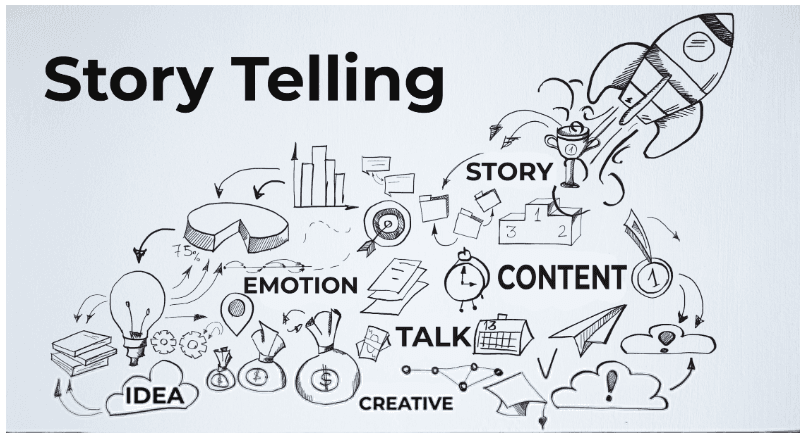
In today’s fast-paced digital world, Content Marketing and Storytelling stands out as a powerful way to connect with people. Brands use it to share messages that stick in minds and hearts. This guide dives deep into why it works, how to do it right, and real-world wins. You’ll find step-by-step advice, backed by facts and examples, to boost your own efforts. Whether you’re new to marketing or looking to level up, this approach builds trust and drives results.
What Makes Content Marketing and Storytelling Essential Today
Marketers face a crowded online space. People see thousands of ads daily. Facts alone don’t cut through the noise. Stories do. They tap into human nature, making brands memorable. Research shows people recall stories 22 times better than plain data. This comes from brain science—stories light up more parts of the mind, like senses and emotions.
Think about ancient times. Humans shared tales around fires to teach and bond. Fast-forward to now: brands like Apple use this same power. Their 1984 ad didn’t just sell a computer; it told a story of rebellion against conformity. It aligned with their core values of innovation. Results? It became iconic, boosting brand loyalty.
Why does this matter for you? In a world where attention spans are short, Content Marketing and Storytelling helps brands stand out. It creates emotional ties, turning viewers into fans. A Content Marketing Institute study found 41% of marketers aim to improve their storytelling skills. That’s because it leads to higher ROI—return on investment.
But it’s not just about sales. It’s about building relationships. In B2B—business-to-business—settings, stories show how products solve real problems. In B2C—business-to-consumer—they evoke feelings that make purchases feel right. Either way, authenticity wins. Fake stories flop; real ones resonate.
To get started, define your brand’s core story. What problem do you solve? Who are your heroes—your customers? Use simple language. Avoid jargon. Make it relatable. This sets the foundation for all your content.
The Science Behind Content Marketing and Storytelling
Stories aren’t magic; they’re science. When you hear a good tale, your brain releases oxytocin, the “trust hormone.” This builds empathy and connection. A study from Stanford University highlights how narratives persuade better than arguments.
Visually, stories shine too. About 65% of people learn best through images. Pair words with visuals—like infographics or videos—and engagement soars. For instance, Nike’s “Breaking2” campaign documented athletes chasing a sub-two-hour marathon. It wasn’t just stats; it was drama, effort, and triumph. Over 500 million people watched, and later, an athlete succeeded in Nike gear.
Emotions drive decisions. Stories trigger them. Conflict, characters, and resolution keep audiences hooked. In marketing, this means showing customer journeys: the struggle, the solution (your product), and the happy end.
Statistics back this up. Brands using storytelling see 30% more engagement on social media. Why? People share stories, not sales pitches. This organic spread amplifies your reach without extra ad spend.
To apply this, audit your current content. Ask: Does it tell a story? If not, rework it. Add personal touches, like customer quotes. This makes abstract ideas concrete.
Key Elements of Effective Content Marketing and Storytelling
Crafting a great story needs structure. Break it down into parts:
- Characters: Make your audience the hero. Your brand is the guide. This flips the script from self-centered to customer-focused.
- Conflict: Highlight problems. What pain points does your product fix? Be honest about challenges.
- Resolution: Show the win. Use before-and-after examples.
- Pacing: Keep it snappy. Build tension, then deliver payoff quickly.
Authenticity is key. People spot fakes. Draw from real experiences. For example, Warby Parker’s video on how they make glasses shares their process and mission—one pair donated per purchase. It’s transparent and inspiring.
Incorporate visuals. Use photos, videos, or animations. Tools like Canva make this easy for beginners.
For B2B, case studies work wonders. Turn data into narratives. Instead of “We increased sales by 20%,” say, “Meet Company X. They struggled with leads until our tool turned things around—boosting sales 20% in months.”
Practice empathy. Understand your audience’s needs. Research their pain through surveys or social listening. This ensures stories hit home.
Techniques to Master Content Marketing and Storytelling
Ready to build skills? Here are proven methods:
- Start with Your Brand Origin: Share how your company began. Toms Shoes tells of their founder’s trip to Argentina, sparking the one-for-one model. It conveys values fast.
- Use Customer Stories: Collect testimonials. Shape them into mini-tales. Lume deodorant’s ad about a girl with a medical condition solved by their product tugs at heartstrings.
- Leverage Visuals: 65% visual learners mean images matter. Coca-Cola’s campaigns use vibrant stories across platforms, growing from 4 to 26 brand stories in 35 countries.
- Create an Editorial Calendar: Plan content around themes. Audit old pieces; refresh with stories.
- Consult Experts: Journalists know pacing. Hire or license content for polish.
- Make It Memorable: Add surprises or humor. Hyundai’s Super Bowl ad reunited troops with families—pure emotion, no hard sell.
- Cross Channels: Tell one story across blog, email, social. Consistency builds trust.
- Measure Success: Track engagement, shares, conversions. Adjust based on data.
- Stay Simple: Use short sentences. Grade 4 readability keeps it accessible.
These steps come from top sources like The New York Times licensing insights. They emphasize narrative journalism in marketing.
For more on building marketing skills, check out skills digital marketers should learn.
Real-World Examples of Content Marketing and Storytelling
Examples inspire action. Let’s explore successes:
- Apple’s 1984 Ad: Directed like a movie, it positioned Apple as a liberator. It tied to George Orwell’s book, creating buzz. Sales spiked.
- Nike’s Breaking2: A documentary-style push. It humanized athletes, showing grit. Viewers connected, boosting brand love.
- Coca-Cola’s Brand Journalism: They act like a magazine, sharing people stories. This builds community.
- Lego’s Magazine and Movie: Kids get comics and games; the movie weaves products into fun plots.
- Hyundai’s Emotional Ad: Focused on families, not cars. It won hearts during the Super Bowl.
- Warby Parker’s Process Video: Transparent making-of builds trust.
- Lume’s Personal Tale: Solved a real-life issue, showing product impact.
These show variety. Some are ads, others ongoing content. All evoke feelings.
From branded content courses, like those on Coursera, we learn transparency matters. Brands must be media-like, creating value.
Another insight from NYT Licensing: Use licensed content for quick, expert stories.
Benefits of Integrating Content Marketing and Storytelling
Why invest time? Benefits abound:
- Emotional Bonds: Stories create loyalty. Fans stick around.
- Higher Engagement: Posts with narratives get more likes, shares.
- Better ROI: Content Marketing Institute notes storytelling boosts returns.
- Brand Differentiation: In crowded markets, unique tales stand out.
- Trust Building: Authentic stories prove credibility.
- Versatility: Works for blogs, videos, emails, social.
- SEO Boost: Google loves engaging content. Stories keep users longer.
Stats: 92% of consumers want brands to make ads feel like stories. This shifts from pushy to helpful.
In B2B, it shortens sales cycles. Prospects see value through case studies.
For small businesses, it’s affordable. No big budgets needed—just creativity.
Challenges in Content Marketing and Storytelling and How to Overcome Them
Not everything’s easy. Common hurdles:
- Finding Authentic Stories: Solution: Dig into customer feedback. Use tools like Google Forms.
- Keeping It Consistent: Solution: Develop a style guide. Train your team.
- Measuring Impact: Solution: Use analytics like Google Analytics for time on page.
- Avoiding Clichés: Solution: Focus on unique angles. Test with small groups.
- Time Constraints: Solution: Repurpose content. Turn a blog into a video script.
From insights like those in ADA Global resources, even if sparse, the emphasis is on quality over quantity.
Stay reassuring: Everyone starts somewhere. Practice refines skills.
Tools and Resources for Content Marketing and Storytelling
Equip yourself:
- Canva: For visuals.
- Grammarly: Ensures readability.
- HubSpot: Free templates for calendars.
- StoryChief: Manages multi-channel stories.
- Licensed Content: From sources like NYT for pro polish.
Courses help too. Coursera’s brand marketing course covers modules on creating memorable narratives.
Build a library of examples. Study winners.
Future Trends in Content Marketing and Storytelling
Looking ahead:
- AI Assistance: Tools generate drafts, but humans add heart.
- Interactive Stories: Like choose-your-own-adventure on social.
- Personalization: Tailor tales with data.
- Sustainability Focus: Stories on eco-efforts.
- Short-Form Video: TikTok-style quick hits.
Stats predict storytelling budgets rise 20% yearly.
Adapt to stay ahead.
Advanced Strategies for Content Marketing and Storytelling
Go deeper:
- Branded Journalism: Act like reporters. Cover industry news with your spin.
- Transmedia Storytelling: Spread one tale across platforms.
- User-Generated Content: Let customers tell stories. Amplify them.
- Emotional Mapping: Plot feelings in your narrative arc.
- A/B Testing: Try versions; see what resonates.
- Collaborations: Partner with influencers for co-created tales.
- Data-Driven Stories: Weave stats into plots without boring.
- Cultural Relevance: Tie to current events.
- Long-Form Content: Deep dives build authority.
From NYT insights, photojournalism adds visual punch.
Case Studies: Deep Dives into Content Marketing and Storytelling
Examine closely:
Case 1: Apple’s Ecosystem
Apple weaves stories across products. Their keynotes aren’t specs; they’re visions of better lives. Result: Cult-like following.
Case 2: Nike’s Campaigns
Beyond Breaking2, “Dream Crazy” with Colin Kaepernick sparked debate but solidified values. Sales rose 31%.
Case 3: Coca-Cola’s Global Reach
Their platforms share diverse stories, fostering inclusivity. Engagement metrics soar.
Case 4: Small Brand Win – Lume
A niche story went viral, proving small tales pack power.
These teach: Align with values, evoke emotions, measure outcomes.
Tips for Beginners in Content Marketing and Storytelling
Start small:
- Write one story weekly.
- Get feedback.
- Study pros.
- Use free tools.
- Focus on audience needs.
You’re capable—many succeed with persistence.
Integrating SEO with Content Marketing and Storytelling
SEO enhances reach. Place keywords naturally. Use headings. Link internally and externally.
For skills, see digital marketing essentials.
External boosts: Coursera courses for learning.
Ethical Considerations in Content Marketing and Storytelling
Be truthful. Avoid manipulation. Disclose sponsorships. Build genuine trust.
Measuring Success in Content Marketing and Storytelling
Track:
- Engagement rates.
- Conversion funnels.
- Sentiment analysis.
- ROI calculations.
Tools like Google Analytics help.
Adjust strategies based on data.
In Conclusion
Content Marketing and Storytelling revolutionizes how brands connect. It builds emotional bonds, boosts engagement, and drives growth through authentic narratives. From brain science to real examples like Apple and Nike, we’ve seen its power. Implement the steps, overcome challenges, and use tools to craft your tales.
What story will your brand tell next to captivate your audience?
References
- NYT Licensing: Provides expert insights on storytelling in marketing, ideal for professional marketers seeking authentic content strategies. Storytelling in Content Marketing
- ADA Global: Offers resources on content insights, though limited; suits global business audiences. Content Marketing Insights
- Coursera: Educational course for beginners and pros in branding, with modules on narrative techniques. Target: Career advancers in marketing. Brand and Content Marketing Course




Leave a Reply