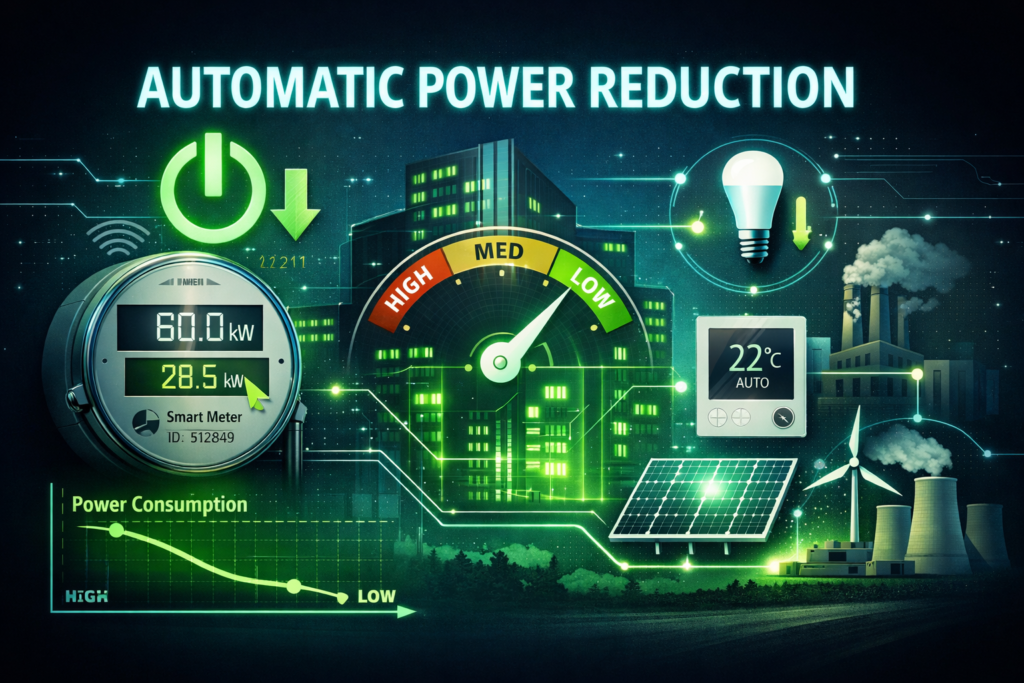
Automatic power reduction keeps systems safe. It cuts power when problems arise. This stops harm to people and gear.
In today’s world, networks handle lots of data. Optical fibers carry signals far. But high power can be risky. Automatic power reduction steps in here. It drops power fast during faults.
This guide covers what it is. You will learn its uses in optics and electrics. We break it down simply.
What is Automatic Power Reduction?
Automatic power reduction is a key safety tool. It lowers power output on its own. This happens in optical and electrical setups.
Think of it as a smart guard. It spots issues like breaks or overloads. Then it acts quick to reduce risks.
In optical networks, it protects eyes from lasers. High-power light can burn retinas. Automatic power reduction drops the beam to safe levels.
In electrical systems, it handles faults. Vacuum circuit breakers help here. They interrupt current to avoid damage.
This feature follows strict rules. Standards like IEC 60825-1 guide it. They ensure safe use worldwide.
Why does it matter? It saves lives and cuts costs. No need for manual fixes often. Systems recover fast.
How Automatic Power Reduction Works in Optical Networks
Optical networks use light for data. Amplifiers boost signals over long distances. But faults can release dangerous light.
Automatic power reduction detects these faults. It uses sensors for loss of signal. Or it checks return loss drops.
When triggered, power falls in milliseconds. Output goes below +10dBm. Or it turns off fully.
A probe system checks for fixes. It sends weak pulses every few seconds. If the loop closes, power ramps up again.
This keeps networks running smooth. No data loss in normal times. It adds no delay.
For example, in EDFAs, it acts like an airbag. It protects techs during repairs.
Benefits of Automatic Power Reduction in Optics
Safety comes first. Automatic power reduction stops eye burns. Invisible infrared light at 1550nm is sneaky. No blink reflex helps.
It guards equipment too. High power can melt connectors. Or start a fiber fuse. This chain reaction ruins cables.
Compliance is key. Class 3B or 4 lasers need it. Rules in Europe and North America demand it.
It saves money. Less downtime means better service. Auto recovery skips manual resets.
Networks stay reliable. Quick fixes keep data flowing.
Triggers for Automatic Power Reduction
What sets it off? Fiber cuts are common. Or unplugging connectors.
Input loss of signal sparks it. Sudden return loss drop too.
In tests, makers simulate breaks. They check response times.
Probes ensure safe restart. They use low power to test.
This loop makes systems smart.
Standards for Automatic Power Reduction
IEC 60825-1 leads the way. It covers laser safety.
Devices must reduce power auto. For high-class lasers.
CE and RoHS add environmental checks.
In the US, FDA rules apply. They match global standards.
Following these lets products sell wide.
Applications of Automatic Power Reduction
Long-haul networks need it. They span 80km or more.
CATV systems use it. DWDM links too.
High-power EDFAs require it. Standard SFPs often don’t. They are Class 1 safe.
Custom modules can add it.
In telecom, like Ciena RLS, it handles amps. It clears alarms from power issues.
Automatic Power Reduction in Electrical Systems
Electrical grids face overloads. Automatic power reduction helps here too.
Vacuum circuit breakers play a role. They switch off power fast.
In faults, they interrupt arcs in vacuum. This reduces power auto.
Smart grids use this for reliability.
How Vacuum Circuit Breakers Enable Automatic Power Reduction
Vacuum breakers use sealed chambers. Contacts separate in vacuum.
No air means quick arc quench. Power drops instantly.
They handle medium voltage. Up to 38kV in some.
Actuators drive them. Spring or electromagnetic types.
This setup cuts power during shorts. Or overloads.
It protects lines and gear.
Advantages of Vacuum Circuit Breakers for Power Reduction
They last long. Up to 30,000 operations.
Low maintenance needed. No gas or oil.
Quiet and compact. Fit tight spaces.
High interrupt capacity. Up to 40kA.
Energy efficient. Low power to operate.
Triggers in Electrical Automatic Power Reduction
Overcurrent trips them. Sensors detect spikes.
Relays signal the breaker. It opens contacts.
Reclosing can happen auto. After fault clears.
This reduces outages.
In grids, it balances load.
Standards for Electrical Power Reduction
IEEE C37.06 guides breakers.
ANSI sets ratings.
IEC 62271 for high voltage.
These ensure safe auto reduction.
Applications in Electrical Systems
Substations use them. For protection.
Industrial plants too. Motors and lines.
Renewable setups. Solar and wind grids.
In homes, advanced strips save power.
They cut standby waste.
Comparing Automatic Power Reduction in Optics and Electrics
Both aim for safety. Optics focus on lasers. Electrics on currents.
Triggers differ. Light loss vs. current surge.
But benefits overlap. Less damage, more uptime.
Standards vary by field.
Challenges in Implementing Automatic Power Reduction
False triggers can happen. Dirty connectors fool sensors.
High costs for gear. But savings long-term.
Training techs is key. They must know systems.
In optics, probe timing matters. Too fast risks safety.
In electrics, actuator wear needs checks.
Best Practices for Automatic Power Reduction
Clean fibers regular. Avoid dirt triggers.
Test systems often. Simulate faults.
Choose certified gear. Follow standards.
Monitor alarms. Like in Ciena systems.
Update software. For better control.
Case Studies on Automatic Power Reduction
In a telecom network, a fiber cut happened. Automatic power reduction kicked in. Power dropped fast. No injuries.
Techs fixed the break. Probes sensed it. Power restored auto.
In a factory, overload hit. Vacuum breaker reduced power. Stopped fire risk.
Grid stayed stable. Production resumed quick.
In solar setups, auto reduction balanced output. Prevented overloads.
Future of Automatic Power Reduction
AI will enhance it. Predict faults before they hit.
Smart sensors add accuracy.
Green tech pushes it. Less waste in power.
Integration with IoT. Remote controls.
Higher powers need better reduction.
FAQs on Automatic Power Reduction
What does automatic power reduction do in optical systems?
It lowers laser power during faults. This keeps eyes safe.
How fast is automatic power reduction?
It acts in milliseconds. Quick to prevent harm.
Is automatic power reduction needed for all lasers?
No. Only high-power Class 3B or 4.
Can automatic power reduction save energy?
Yes. In electrics, it cuts waste.
What triggers automatic power reduction in breakers?
Overcurrent or faults.
Conclusion
Automatic power reduction is vital for safety. It guards against hazards in optics and electrics. From fiber networks to grids, it ensures reliability.
It follows standards and saves costs. Systems recover fast without help.
What experiences have you had with automatic power reduction in your work?
References
- RLS Automatic Power Reduction – Details on APR in Ciena’s reconfigurable line systems for optical networks.
- Automatic Power Reduction with Vacuum Circuit Breakers – Guide to using VCBs for power control in electrical setups.
- What is Automatic Power Reduction (APR) Optical Safety – Explanation of APR in EDFAs for fiber optic safety.
- For renewable energy insights related to power management, visit Heliogen.



Leave a Reply