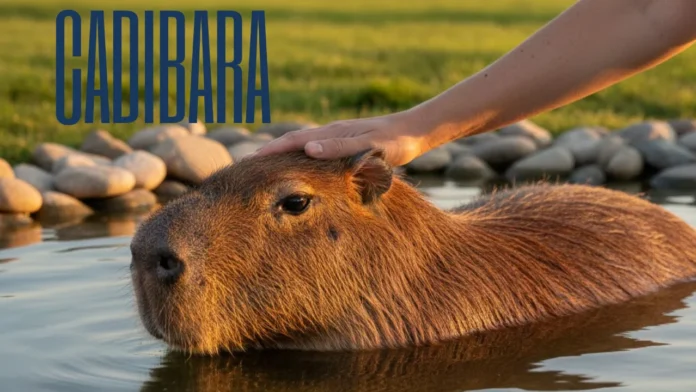
Have you ever heard of the cadibara? This amazing creature is the biggest rodent on Earth. It lives in South America and loves water. People often misspell its name as cadibara, but it’s the same as capybara. In this article, we look at its life, from where it comes from to how it acts. We use facts from trusted places to keep things real. Get ready to learn about this chill animal that has won hearts online.
What is a Cadibara?
The cadibara goes by the science name Hydrochoerus hydrochaeris. It belongs to the Caviidae family, like guinea pigs but way bigger. Native people call it “master of the grasses” because it eats lots of plants. Experts class it as least concern for danger, but we must watch its homes.
This rodent started in South America. It spread across places like Brazil, Venezuela, and Argentina. The cadibara fits well in wet spots. Its body helps it swim and hide. Over time, it became key to nature there.
Why does the cadibara matter? It keeps grass short and feeds big cats like jaguars. Humans hunt it for food and skin, but now we see its value alive. Stats show populations are big, but local spots face risks from farms.
Physical Features of the Cadibara
Cadibara look like giant guinea pigs. They weigh 35 to 66 kg. That’s 77 to 146 pounds. They stand 60 cm tall at the shoulder and stretch 1.2 to 1.3 meters long. Females get a bit bigger than males.
Their fur is coarse and thin. Colors run from reddish brown to yellowish. The belly stays lighter. No tail shows, and the body shapes like a barrel. Short legs help on land, but webbed feet make swimming easy.
Eyes, ears, and noses sit high on the head. This lets them peek out of water. They stay warm-blooded and move with balance. These traits help in wet homes.
Compare to other rodents: Beavers hit 20-30 kg, but cadibara top that. Rats weigh just 0.3-0.5 kg. This size makes them stand out.
Where Cadibara Live: Habitat Details
Cadibara pick spots near water. They love rivers, lakes, marshes, and swamps in South America. Countries like Colombia, Paraguay, and Uruguay host them. They need year-round water for safety and food.
In flooded grasslands, they graze easy. Marshes give cover from heat. They even enter forests if water flows close. Temperate and tropical zones suit them best.
Why water? It cools them down. They dive to escape danger. Habitats include savannas, rainforests, and scrub lands. But they stick to riparian zones, meaning next to streams.
Stats: They roam in areas with good grass. Dry seasons push groups to water edges. Climate change hurts by drying spots. To learn more about cadibara habitats, check this detailed guide.
Cadibara Behavior: Social and Daily Life
Cadibara act social and calm. They form groups of 10 to 20, sometimes 100 in tough times. A top male leads, with females and young. Sub males help guard.
They wake at dawn and dusk. That’s crepuscular style. Day heat sends them to water for rest. They swim strong and dive for five minutes.
Communication uses sounds: barks for danger, purrs for calm. Scent glands mark spots. Males use a morillo gland on the nose for smells.
Territories cover feeding grounds. Groups defend them but share with birds or monkeys. This peace makes them “chill” in videos.
Tips for watching cadibara:
- Look near water at twilight.
- Stay quiet to hear calls.
- Use binoculars for safe view.
They sleep half in water, noses up. This keeps them safe.
Diet and Eating Habits of Cadibara
Cadibara eat plants only. Grasses top the list, with aquatic weeds. They add bark, fruits, and seeds sometimes.
Teeth grow always to chew tough stuff. They eat their poop for extra vitamins. That’s coprophagy.
In a day, they graze hours. Groups move to fresh spots. This controls plant growth in wetlands.
Examples: In Brazil, they munch river plants. Dry times make them eat bark.
Stats: They digest like cows but faster. This helps in poor food areas.
Reproduction and Family Life in Cadibara
Cadibara breed all year, more in rain. Males chase females in water. Mating happens there too.
Gestation lasts 150 days. Litters have 2 to 8 pups. Babies walk and swim right away. They nurse from mom and aunts.
Young join creches for play and learn. Dads protect the group. Weaning hits at 3 months.
Lifespan: 8-10 years wild, 12 in zoos.
Parental tips from nature:
- Share care like cadibara groups.
- Teach skills early.
- Stay close for safety.
Predators and Survival Tricks for Cadibara
Big threats chase cadibara. Jaguars, anacondas, caimans attack adults. Eagles grab young.
They run to water fast. Dive and hold breath five minutes. Groups watch together.
Humans hunt for meat. Farms take land. But cadibara adapt well.
Stats: Solitary ones die more. Groups boost survival.
Ecosystem Role: Why Cadibara Matter
Cadibara shape nature. As grazers, they trim grass for other animals. Paths they make help water flow.
Birds like caracaras pick bugs off them. That’s mutual help. Cowbirds ride along.
They feed predators, keeping balance. Without them, grass overgrows.
Examples: In Venezuela, they aid wetland life. Their poop feeds fish.
Economic and Human Ties with Cadibara
People use cadibara for meat and leather. In Lent, it’s like fish for some.
Ranching ideas rise to save wild ones. They graze better than cows in wet lands.
Downsides: They raid farms for crops. May spread sickness to stock.
Positive: Eco-tours bring money. Watch them in parks.
Conservation Efforts for Cadibara
IUCN says least concern, but local drops happen. Hunting and land loss hurt.
Protect wetlands. Ban over-hunt. Promote farms.
Stats: Big range helps, but watch Brazil spots.
Actionable advice:
- Support parks like Pantanal.
- Avoid products from wild hunts.
- Spread word on social media.
For more on conservation, see this amazing life story.
Cadibara in Culture and Media
Cadibara star online. Memes show them chilling with ducks or in spas.
In Japan, zoos draw crowds. Videos go viral for calm vibe.
Indigenous tales see them as grass masters. Now, “cadibara” searches rise from misspellings.
Why popular? Gentle nature reassures. They teach peace.
Can You Keep a Cadibara as a Pet?
Some try, but think hard. Need big space, pool, group mates.
Permits required in many places. Vets rare for them.
Tips if considering:
- Check laws.
- Build water area.
- Get pairs for social needs.
Better watch wild or in zoos.
Comparisons: Cadibara vs Other Rodents
- Size: Biggest, beats beaver.
- Diet: All plants, unlike rat omnivores.
- Social: Groups big, not like lone hamsters.
- Habitat: Water-focused, others vary.
Table:
| Feature | Cadibara | Beaver | Guinea Pig |
|---|---|---|---|
| Weight | 35-66 kg | 20-30 kg | 0.5-1 kg |
| Habitat | Wetlands | Rivers | Grasslands |
| Social | Groups 10+ | Family | Small groups |
| Diet | Grasses | Bark | Hay |
This shows uniqueness.
Interesting Facts About Cadibara
- Sleep in water.
- Birds ride backs for bugs.
- Swim like pros.
- Eat poop for health.
- Gentle with foes.
Quotes: “The cadibara is nature’s chill pill,” says wildlife expert.
Challenges and Future for Cadibara
Climate dries homes. Cities grow in.
But adaptable. Protected areas help.
Future: More studies needed. Eco-tourism saves.
In Conclusion
The cadibara amazes as the largest rodent with social, watery life. From South American swamps to online fame, it teaches balance. We covered its body, home, eats, family, and more. Protect it for future joy. Have you spotted a cadibara in wild or zoo? Share below!
References
- Animal Diversity Web – University of Michigan. Provides in-depth scientific data on classification, behavior, and ecology. Great for students and researchers interested in biodiversity. Link
- Newsz.co.uk – Focuses on engaging stories and viral aspects. Appeals to general readers and meme enthusiasts seeking fun facts. Link
- USAMagazineBreak.com – Offers detailed explanations with comparisons. Suited for curious audiences wanting quick, informative reads on wildlife. Link