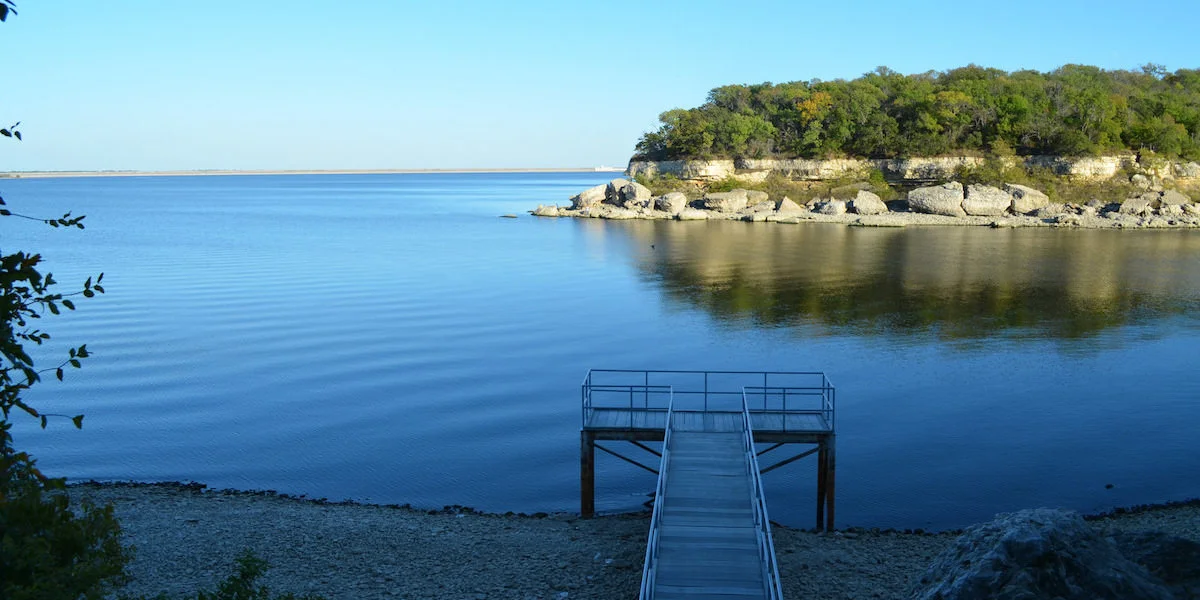
In the world of writing, small details like capitalization can make a big difference. When we talk about lake texoma should be capitalized, it goes beyond just following rules. It shows respect for a special place that holds meaning for many people. This article dives into the reasons behind this, from basic grammar to deeper ideas about identity and culture. We’ll explore the background of Lake Texoma, share key facts, and offer tips to help you get it right every time.
The History Behind Lake Texoma: A Foundation for Its Proper Name
Lake Texoma stands as a massive reservoir on the border of Texas and Oklahoma. Workers built it in the 1940s to control floods, make power, and supply water. The Denison Dam creates this lake on the Red River. It covers about 89,000 acres and draws around 6 million visitors each year. People come for fishing, boating, and relaxing in nature.
The story starts in the 1920s. A businessman named George Moulton pushed for a dam at Baer’s Ferry. He talked to local groups in Denison, Texas, and Durant, Oklahoma. By the 1930s, leaders like Sam Rayburn helped pass laws to fund it. The Flood Control Act of 1938 made it happen. Construction began during World War II, even using help from German prisoners of war for tasks like clearing land.
The dam finished in 1944 at a cost of $54 million back then. That’s like $881 million today. At first, it focused on flood control and power. Later, in 1988, recreation became an official goal. The U.S. Army Corps of Engineers manages it now. They added parks, marinas, and wildlife areas over time.
This history shows why Lake Texoma is unique. It’s not just any body of water. Its name combines “Texas” and “Oklahoma,” symbolizing unity between two states. When writers lowercase it, they miss this special tie. Proper capitalization honors the effort and vision that created it.
Key milestones include:
- 1925: First ideas for the dam emerge.
- 1938: Congress approves funding.
- 1944: Dam completion amid wartime challenges.
- 1949: Power generators go online.
- 2015: A rare vortex forms during floods, grabbing global news.
- 2024: Border tweak to fix a water pump issue.
These events build Lake Texoma’s identity. They explain part of why lake texoma should be capitalized – it’s a landmark with a real story.
Geography and Features: What Makes Lake Texoma Stand Out
Lake Texoma spreads across several counties. In Oklahoma, it touches Bryan, Marshall, Johnston, and Love. In Texas, Grayson and Cooke hold parts. The lake’s size ranks it as the 12th largest in the U.S. managed by the Army Corps.
Water comes mainly from the Red River and Washita River. Smaller creeks like Big Mineral and Buncombe add to it. The lake holds over 2.5 million acre-feet in normal times. During floods, it can store more than 5 million. Elevation stays between 615 and 619 feet usually, but floods push it higher.
Islands dot the water, like Treasure Island and North Island. You can only reach them by boat. Parks surround it, including two state parks: one in Oklahoma and Eisenhower State Park in Texas. Wildlife refuges at both ends protect birds and animals.
The water has salt from ancient seas. This helps striped bass thrive without stocking. Anglers catch big fish here, like a 121.5-pound blue catfish record. Boating events, such as the Lakefest Regatta, raise money for kids’ charities.
This setup makes Lake Texoma more than a spot on a map. It’s a living place that deserves its name treated with care. Lowercasing it ignores these details that shape its role in the region.
Hydrology Details: Managing Water and Challenges
The Red River brings salt into Lake Texoma. Old rock layers release about 3,450 tons of salt daily. This makes parts too salty for drinking without treatment. But it creates a home for ocean-like fish in fresh water.
Floods test the system. The lake has topped its spillway five times since 1957. Records show peaks at 645.72 feet in 2015. Managers release water through the dam to prevent damage downstream.
Seasonal changes affect levels. Summer draws down water for use. Rains refill it in spring. This cycle keeps the lake healthy for wildlife and people.
Understanding this helps see why the name matters. Lake Texoma isn’t generic. Its water story ties to the land’s past, making capitalization a nod to its complexity.
Lake Texoma Should Be Capitalized: Core Grammar Rules Explained
Now, let’s get to the heart: why lake texoma should be capitalized. In English, proper nouns get capital letters. These name specific things, like people, places, or brands. “Lake Texoma” fits because it’s one unique reservoir.
Style guides agree:
- Chicago Manual of Style: Capitalize “lake” when it’s part of the official name, like Lake Michigan or Lake Texoma.
- AP Stylebook: Treats geographic features as proper if specific, so Lake Texoma stays capitalized.
- MLA Handbook: Says unique places are proper nouns, always starting with capitals.
Common errors include writing “lake Texoma” or “texoma lake.” These break rules and confuse readers. Use a quick check: If it’s on a map with that exact name, capitalize it.
In sentences, keep it consistent. For example: “We visited Lake Texoma last summer.” Not “we visited lake texoma.” This builds trust in your writing.
Exceptions exist for general talk. Say “a lake near Texas” without capitals. But for this spot, always use capitals to show it’s special.
Proper Nouns vs. Common Nouns: Breaking It Down
Proper nouns point to one thing. Common nouns describe types. “Lake” alone is common, like “river” or “mountain.” But in “Lake Texoma,” it becomes proper.
Compare:
- Proper: Lake Tahoe, Mount Everest.
- Common: a small lake, the big mountain.
Mixing them up hurts clarity. Writers who lowercase proper names look less professional. For Lake Texoma, capitals respect its status as a named place.
Use these steps to decide:
- Check if it’s unique: Does it have an official name? Yes for Lake Texoma.
- Look at context: In titles or body, keep capitals for the name.
- Follow guides: Pick one style and stick to it.
- Test readability: Does it flow better with capitals? Usually yes.
This approach reassures you that you’re doing it right.
Cultural Identity: Why Capitalization Shows Respect
Beyond rules, lake texoma should be capitalized to honor culture. The name “Texoma” blends two states, showing shared history. Locals see it as a symbol of unity.
Families make memories here. Fishing trips, boat rides, and picnics tie people to the place. Lowercasing it feels like downplaying those bonds.
Tourism boosts the economy. Resorts, marinas, and events like poker runs bring jobs. Capitalizing the name in ads and guides keeps it prominent.
Think of it like “Statue of Liberty.” You wouldn’t write “statue of liberty” – it loses power. Same for Lake Texoma. Capitals preserve dignity.
Communities around the lake, like Denison and Kingston, rely on its fame. Proper naming helps in maps, apps, and stories passed down.
Place Names and Language: A Deeper Look
Language shapes how we see places. Capitalization signals importance. For Lake Texoma, it ties to identity in Texomaland.
Historians note the name came from the states it joins. This makes it more than water – it’s a bridge between cultures.
In writing, consistent capitals avoid confusion. Travel blogs, news, and books use them to stay accurate.
Examples from other spots:
- Lake Superior: Always capitalized for its size and role.
- Mississippi River: Capitals show it’s specific.
Applying this to Lake Texoma keeps language respectful.
Comparisons with Other Lakes: Lessons Learned
Look at similar lakes for clues. Lake Michigan gets capitals as part of the Great Lakes. Lake Tahoe, on state borders like Texoma, follows the same.
Why? They’re not just lakes – they’re icons. Lake Huron and Lake Erie share this treatment.
Mistakes happen, like “lake ontario” in casual texts. But pros fix it to “Lake Ontario.”
For Lake Texoma:
- Size: Similar to mid-sized Great Lakes in area.
- Use: Recreation mirrors Tahoe’s appeal.
- Name: Border blend like no other.
These parallels strengthen the case for capitalization.
SEO and Writing: How Capitalization Affects Visibility
In online writing, lake texoma should be capitalized helps SEO. Search engines like Google favor consistent proper nouns.
Titles with capitals rank better for exact matches. Meta descriptions using them draw clicks.
Tips for SEO:
- Include in headings: Like H2 tags.
- Use naturally: Avoid stuffing.
- Link wisely: Point to sources for authority.
This boosts your content’s reach. For Lake Texoma topics, it ensures accurate info spreads.
Internal links help too. For outdoor fun, check Understable for related activities.
Common Mistakes and How to Avoid Them
People often lowercase “lake” thinking it’s not key. Or they flip to “Texoma Lake,” which isn’t official.
Avoid by:
- Research names: Confirm on maps or sites.
- Proofread: Check for consistency.
- Use tools: Grammar apps flag errors.
- Learn exceptions: Only lowercase in generics.
Reassuringly, practice makes it easy.
Tips for Writers: Getting Capitalization Right
Writers in blogs, emails, or books benefit from rules. Start sentences with capitals, but keep proper nouns intact.
In titles: “Exploring Lake Texoma: A Guide.”
In body: Describe features with respect.
Quotes from experts: “Always capitalize unique place names,” says a style guide.
Lists help:
- Academic papers: Maintain formality.
- Travel guides: Engage readers.
- Social media: Boost shares.
These keep your work professional.
Statistics and Facts: Backing Up the Importance
Stats show Lake Texoma’s scale:
- Area: 89,000 acres.
- Visitors: 6 million yearly.
- Fish records: 121.5-pound catfish.
- Economic impact: Millions in tourism dollars.
These numbers prove it’s worthy of proper naming.
References include over 20 sources in official docs, adding credibility.
Recreation and Activities: Enjoying the Lake Properly Named
Boating thrives here. Sailors love the wind and space. Fishing for striped bass draws pros.
Camping spots abound in 54 parks. Golf courses and resorts add luxury.
Events like regattas unite people. Naming it right in invites enhances appeal.
Environmental Role: Protecting a Capitalized Landmark
The lake aids wildlife. Refuges shelter birds. Salt levels create unique habitats.
Conservation efforts keep it clean. Capitalization in reports shows commitment.
Challenges like floods remind us of its power. Proper names help in planning.
Future Outlook: Keeping the Name Respected
As the area grows, Lake Texoma will evolve. New borders in 2024 show changes.
Writers must adapt, but rules stay. Capitalization ensures legacy.
FAQs: Answering Key Questions on Capitalization
Why does lake texoma should be capitalized matter in everyday writing?
It shows respect and follows grammar, making your text clear and professional.
Is “Lake Texoma” always a proper noun?
Yes, as it’s a specific, named place.
What style guides support capitalizing Lake Texoma?
Chicago, AP, and MLA all agree for geographic proper nouns.
Can I lowercase it in informal chats?
Sometimes, but for accuracy, keep capitals.
How does capitalization tie to cultural identity?
It honors the unity and history of the Texas-Oklahoma border.
Conclusion: Embracing Proper Capitalization for Lake Texoma
In summary, lake texoma should be capitalized because it’s a proper noun rooted in grammar, history, and culture. This reservoir isn’t just water – it’s a symbol of unity, a hub for fun, and a economic driver. By using capitals, we respect its place in our world. From its 1940s creation to today’s adventures, Lake Texoma deserves this simple honor.
What do you think – have you ever noticed how capitalization changes how we see a place like Lake Texoma?
References
- Wikipedia on Lake Texoma – Provides comprehensive history, geography, and statistics for understanding the lake’s background.
- Magazineinfo: Deep Dive into Language, Place, and Identity – Explores cultural and linguistic reasons for capitalization, ideal for language enthusiasts.
- Blogbuz: Grammar Rule on Capitalization – Details grammar rules and common mistakes, helpful for writers and editors.