In today’s fast-changing world, digital marketers face new challenges from AI. Many wonder what skills digital marketers should learn to keep up. This article dives into five key areas that help you stay relevant. You will find practical tips, real examples, and ways to build these skills. By learning them, you gain an edge in your work.
The rise of AI changes how we market. Tools now handle tasks like content creation and ad targeting. But humans still lead with creativity and strategy. Focus on these skills digital marketers should learn to blend tech with your know-how. Let’s explore each one.
Data Analytics and Strategic Insights

Data drives decisions in marketing. Marketers who master data analytics spot trends and predict customer needs. This skill lets you turn numbers into actions that grow business.
Start by learning basic tools. Use Google Analytics to track website traffic. See where visitors come from and what they do. For example, if a page has high bounce rates, fix it with better content.
AI boosts this skill. Tools like predictive analytics forecast sales. A study shows companies using data see 20% more revenue. Netflix uses data to suggest shows, keeping users hooked.
Build this skill step by step:
- Learn key metrics: Focus on ROI, conversion rates, and customer lifetime value.
- Practice with free tools: Try Google Data Studio for reports.
- Take courses: Platforms offer short lessons on data basics.
Critical thinking pairs with data. Ask why numbers show certain patterns. This helps create strategies that work.
Hyper-personalization comes next. Use data to tailor messages. Amazon sends custom emails based on past buys. This raises open rates by 30%.
Challenges include data privacy. Follow rules like GDPR to avoid fines. Clean data ensures accuracy.
In the AI era, data literacy is key. Marketers who interpret AI outputs make better choices. For instance, AI spots micro-trends, but you decide how to use them.
Expand your toolkit. Learn Python for simple scripts. It helps analyze large sets. No need to be an expert; basics suffice.
Case study: A small brand used data to target ads. Sales jumped 15% in one quarter. You can do the same.
Remember, data is not just numbers. It tells stories about customers. Use it to build trust and loyalty.
Content Marketing and Storytelling
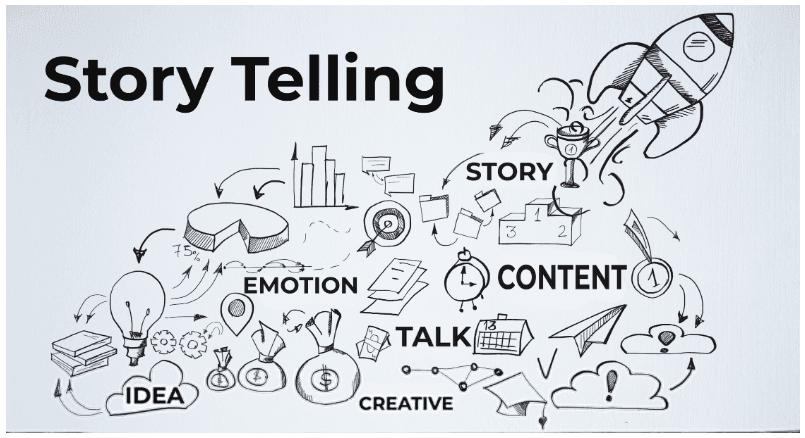
Content draws in audiences. Great content marketing builds connections. Learn to create pieces that engage and convert.
Focus on variety. Write blogs, make videos, or design infographics. Each format reaches different people.
Authentic storytelling stands out. Share real stories that resonate. In AI times, human touch matters. AI can generate text, but you add emotion.
Tools help. Use Canva for visuals or Grammarly for edits. AI like ChatGPT brainstorms ideas, but refine them yourself.
Statistics show content works. Blogs with images get 94% more views. Video content boosts engagement too.
Steps to improve:
- Research topics: Find what your audience searches for.
- Optimize for SEO: Include keywords naturally.
- Measure success: Track shares and comments.
E-E-A-T is vital. Show experience, expertise, authoritativeness, and trustworthiness. Google favors this for rankings.
Personalize content. Use data from earlier skill to customize. A newsletter with user names increases opens.
Challenges: Avoid burnout. Plan a calendar to stay consistent.
In AI era, blend tools with creativity. For example, use AI for drafts, then add your voice.
Long-form content ranks better. Aim for depth like this article.
Examples: HubSpot shares helpful guides, building a loyal following.
Master this to become a go-to expert.
SEO and SEM Proficiency

Search engines bring traffic. SEO gets free visits; SEM uses paid ads. Both are must-have skills digital marketers should learn.
SEO basics: Keyword research finds terms people use. Tools like Ahrefs help.
On-page optimization: Use titles, metas, and headings. Make sites fast and mobile-friendly.
Technical SEO: Fix crawl errors and build sitemaps.
AI changes SEO. Google’s AI Overviews summarize results. Create content that answers questions directly.
Voice search grows. Optimize for natural language.
SEM: Run PPC campaigns. Write compelling ads. Target specific groups.
Budget wisely. Track costs per click.
Stats: SEO drives 53% of traffic. Paid search converts well.
Build skills:
- Certify: Get Google Ads certified.
- Experiment: Run small tests.
- Analyze: Use tools to see what works.
Multimodal search includes images and videos. Optimize them too.
Link building: Earn backlinks from good sites. Guest posts help.
Avoid black-hat tactics. They hurt long-term.
In AI era, focus on quality. E-E-A-T wins.
Case: A site improved SEO, traffic doubled in months.
Combine with other skills for full strategies.
Social Media Marketing and Community Engagement

Social platforms connect brands with people. Learn to engage authentically.
Know each platform: TikTok for fun, LinkedIn for pros.
Create tailored content. Use trends but stay true to brand.
Community building: Respond to comments. Host live sessions.
AI aids: Analyze sentiments. Spot popular topics.
Stats: 5 billion users on social. Engagement boosts sales.
Steps:
- Plan posts: Use calendars.
- Interact daily: Build relationships.
- Use analytics: See top performers.
Challenges: Algorithms change. Adapt quickly.
In AI era, personalize feeds. Use tools for targeted ads.
Examples: Brands like Wendy’s use humor for viral posts.
Foster loyalty. User-generated content helps.
Integrate with email for full funnels.
AI and Marketing Automation Mastery

AI automates tasks, freeing time for strategy. This is a top skill in the era.
Use AI for personalization. Chatbots answer queries 24/7.
Automation: Set email sequences. Score leads.
Tools: HubSpot or Marketo.
Ethical use: Avoid bias in data.
Stats: 56% of marketers use AI. It raises efficiency.
Build mastery:
- Learn basics: Free tutorials.
- Integrate slowly: Start with one tool.
- Monitor ROI: Track improvements.
Predictive insights: Forecast trends.
Challenges: Skill gaps. Train teams.
Human oversight: AI lacks judgment.
Examples: Starbucks uses AI for offers, boosting loyalty.
Combine with data for power.
Stay updated. AI evolves fast.
Conclusion
In summary, the skills digital marketers should learn include data analytics, content marketing, SEO/SEM, social media, and AI automation. These keep you relevant in the AI era. Start small, practice often, and see results. What skill digital marketers should learn will you tackle first?
References
- The Branding Corner – Explores essential marketing skills like data analytics and AI integration for marketers aiming to adapt to new technologies.
- Digital Marketing Institute – Details key abilities such as SEO, content, and AI for aspiring and experienced digital professionals.
- RMIT Online – Offers ways for mid-career workers to stay relevant, focusing on AI as a co-pilot and continuous learning.